Lula Wins Fourth Term With 64 Million Votes as Bolsonaro Seeks Annulment
A surge of 10.4 million additional voters secured the incumbent’s victory, prompting a legal challenge from his rival and criticism from the White House.
By Thomas Cooper ·
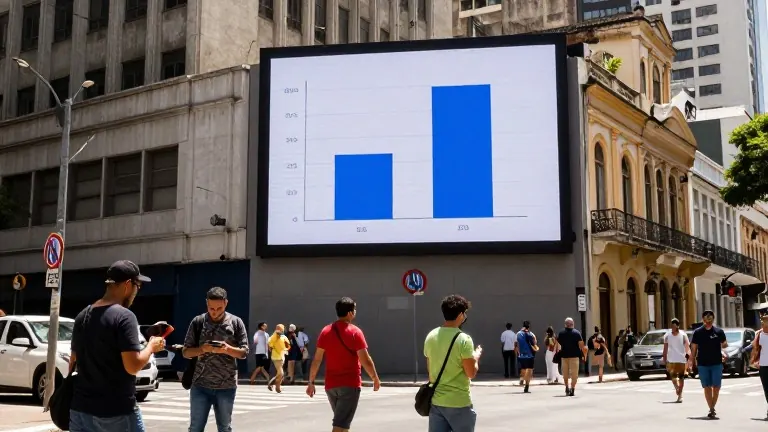
Sixty-four million Brazilian voters cast ballots for President Luiz Inácio Lula da Silva on Sunday, securing his reelection to a fourth non-consecutive term. The incumbent defeated Sen. Flávio Bolsonaro by a margin of nearly 4 percent, adding 10.4 million votes to his first-round total.
Lula is scheduled to take office on Jan. 5, 2027. His victory positions him as a counterweight to right-leaning leaders in the region who are aligning closely with the United States. Flávio Bolsonaro, the son of former President Jair Bolsonaro, has promised to strengthen ties with the Trump administration if he prevails.
The result faces an immediate legal hurdle. Flávio Bolsonaro stated on Sunday that he intends to request an annulment of the election. He cited a chaotic last-minute extension of voting hours as a primary reason for the contest. It remains unclear which specific legal avenue he will pursue to overturn the outcome.
His father, who is serving a 27-year sentence for a coup attempt, previously lost to Lula in 2022 and contested that result unsuccessfully. Flávio Bolsonaro visited his father, who is under house arrest, on Monday.
President Donald Trump criticized the vote count on Monday. Without providing specific evidence, he told reporters that the process "looked very bad" and "frankly" appeared to be another rigged election. Trump made these comments before departing for a rally in Mississippi.
The decisive factor in Lula’s win was a surge in voter turnout. An additional 14.1 million Brazilians participated in the second round compared to the first. Analysts estimate that three-quarters of these new votes went to Lula. This group included former non-voters, those who had cast blank ballots, and supporters of third-party candidates who dropped out of the race.
Lawmaker André Janones led Lula’s digital campaign during the runoff. He managed a WhatsApp channel called "Lula's Army" that gathered almost 11 million people. This intense social media operation mobilized uncommitted voters and pressured Meta to end alleged bias in its algorithms. Brazil’s top electoral court ruled on Oct. 15 that Meta must treat both candidates equally.
The voting process was disrupted by a Supreme Court decision made minutes before polls closed at 5 p.m. The extension was granted at the request of both candidates. Lula cited public transportation issues in São Paulo and Salvador, while Flávio Bolsonaro pointed to heavy rains in the south. Many polling stations did not receive the news until they were already closing.
Source: ABC News