Libya's Eastern Parliament Ratifies Turkish Maritime Deal in Rapid Vote
Saddam Haftar secured a key concession from Ankara in a move designed to clear the way for his bid to lead Libya.
By Christopher Reed ·
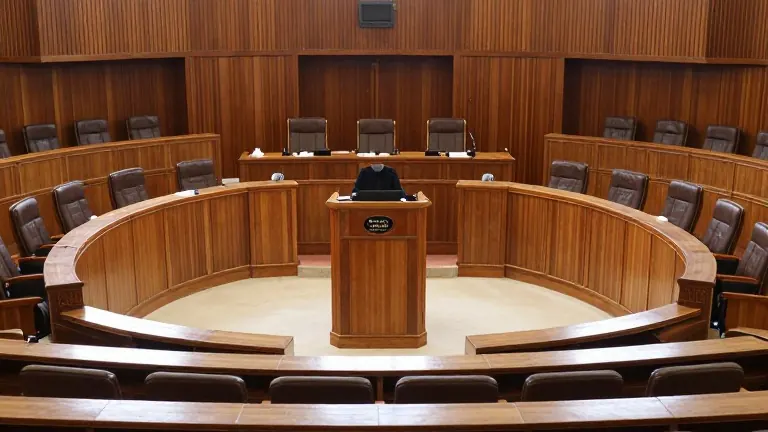
For nearly seven years, eastern Libya opposed the maritime agreement signed by Tripoli with Turkiye. On October 20, the House of Representatives in Benghazi reversed that stance, ratifying the deal in a single session. The European Union, Greece, Israel, and Egypt all condemned the vote within days of the legislative action.
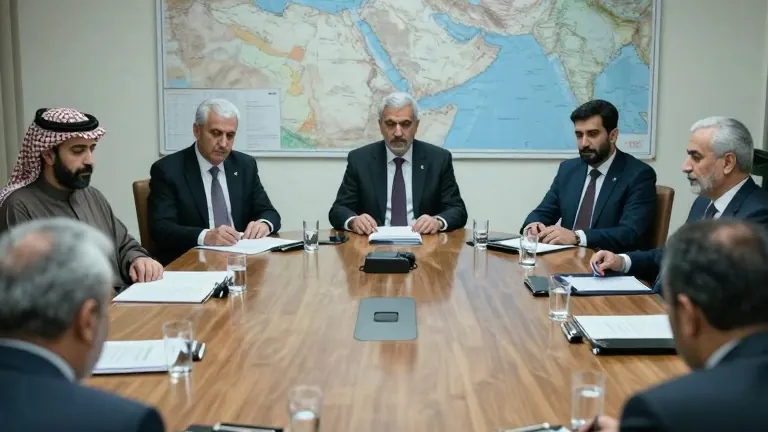
The ratification serves as a strategic maneuver by Saddam Haftar, son of Khalifa Haftar, the military commander controlling eastern Libya. The primary objective of this sequence of events is to secure the Libyan presidency for Saddam. The United States is currently negotiating a power-sharing arrangement between Tripoli and Benghazi, a plan championed by Massad Boulos, the senior adviser for Arab and African affairs to President Donald Trump. This potential deal could place Saddam in the top role.
To make the presidential bid viable, Saddam requires the backing of Ankara. Turkiye holds decisive influence over western Libya, making its approval essential for any settlement. The maritime ratification was intended to lock in Turkish support for the succession plan. This move follows a palace coup in which the House of Representatives removed Aguila Saleh from the speakership just two weeks before the vote. Saleh had held the position for 12 years and was a key ally of Egypt.
Saleh also served as the nominal supreme commander, a role that derived authority from Khalifa Haftar’s command. His removal eliminated a major obstacle to the memorandum and reduced the risk of tribal backlash. His successor, Al-Salhin Abdulnabi, chaired the Libyan-Turkish friendship committee and shares tribal ties with the Obeidat tribe, signaling the chamber’s new alignment. The gambit now depends on Washington’s willingness to finalize the deal despite objections from Athens, Nicosia, and Jerusalem.
Abu Dhabi appears willing to overlook the maritime concessions because it seeks to install Saddam as leader. He is considered the most loyal of Khalifa’s sons to the Emiratis. Egypt, however, remains a variable. Cairo objected to the memorandum encroaching on its exclusive economic zone, framing its response in legal terms. Egypt has grown closer to Ankara due to shared interests in Sudan and the Red Sea, and it could support an alternative candidate, such as Saddam’s brother Khaled, who leads the Libyan Arab Armed Forces staff.
The maritime agreement was originally the price Tripoli paid for Turkish intervention in 2020. That intervention halted Khalifa Haftar’s offensive and forced his retreat from the capital. The son now uses that same document to secure his position. If the plan succeeds, the instrument of his father’s defeat becomes the foundation of his authority. If it fails, the deal may define the end of his political ambitions.
Source: Al Jazeera