Ben-Gurion Airport logs 90,000 passenger surge ahead of Knesset vote
Data shows a sharp drop in outbound travel and a rise in arrivals as Israelis prioritize Tuesday's election over vacations.
By Christopher Reed ·
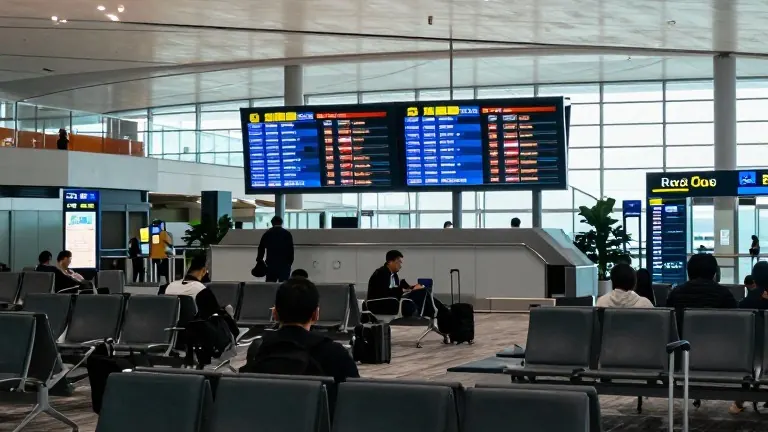
Ordinary Israelis are changing their travel habits to cast ballots in Tuesday's Knesset elections. Many are postponing vacations or business trips, while others are flying home from abroad to participate. This shift is visible in real-time traffic data from Ben-Gurion Airport in Tel Aviv. The numbers reflect a deliberate choice to stay or return rather than leave the country before the vote.
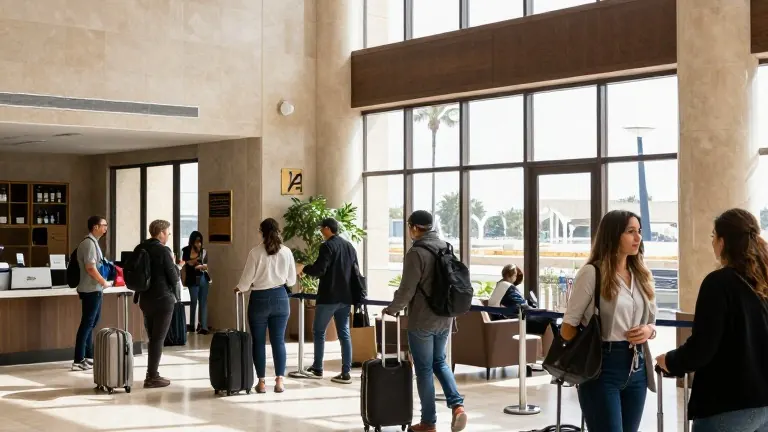
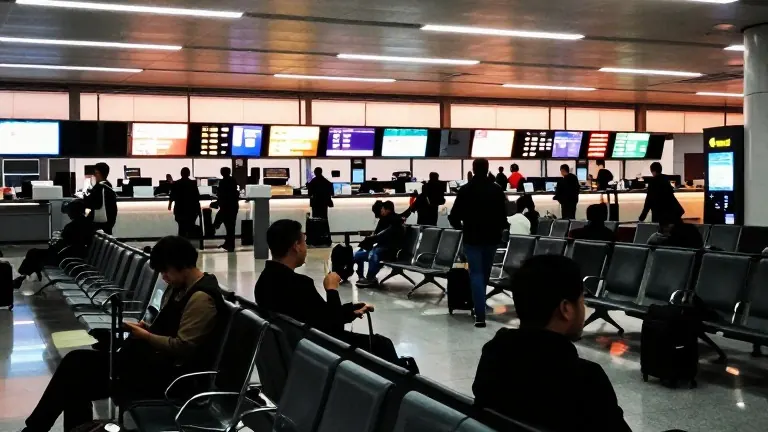
Channel 13 reported Sunday that airport records show a distinct pattern in passenger movement. From October 17 to October 27, 2026, approximately 245,000 passengers departed Israel. This figure is lower than the 270,000 who left during the same period in 2025 and significantly lower than the 323,000 recorded in 2022, the last time Israel held a general election. The decline occurs even as the number of available aircraft and flights has increased compared to previous years.
The inbound traffic tells a different story. While no special airlift was organized to bring voters home, arrivals on existing commercial routes have outpaced departures. The gap between incoming and outgoing passengers in 2026 has exceeded 90,000. In the corresponding period in 2025, the difference was approximately 77,000. This surge in arrivals suggests that many overseas Israelis are cutting short their trips to be present at polling stations.
The political implications of this traffic shift are tangible. Channel 13 estimated that 90,000 people could equate to roughly two Knesset seats if all were eligible voters who cast valid ballots. Israel's electoral threshold is 3.25% of valid votes. Small changes in turnout can determine whether parties near that mark secure representation in the 120-seat legislature. The seat distribution is proportional, meaning additional votes from returning citizens could alter the final balance of power.
However, the raw passenger count includes children and foreign nationals who cannot vote. It does not isolate those who traveled specifically for the election. A recent survey by the Fly&Vote initiative, run by the AID Coalition, estimated that about 67,000 Israelis living abroad intended to return to vote. That figure was based on registration data and voluntary surveys rather than confirmed arrivals. The initiative has helped overseas citizens with the process, though its activities were recently restricted following legal action by the Likud party.
Interest in returning to vote has been building since August. Organizers arranged dedicated flights from New York and Lisbon to meet demand among expatriates. Under Israeli law, most citizens living abroad cannot vote remotely and must physically return to cast their ballots. This requirement drives the logistical effort behind the increased arrivals.
Alon Ben-Gurion, the grandson of Israel's first prime minister David Ben-Gurion, is among those who made the trip. He arrived from the United States with his family and traveled to Tiberias to vote, according to Channel 13. His journey mirrors the broader trend of overseas Israelis prioritizing their civic duty over other plans.
The election is scheduled for Tuesday, October 27. Polling stations will open across the country. The final seat distribution will depend on how the votes of returning Israelis divide among the various parties. The airport data provides a concrete snapshot of the logistical effort underway as the vote approaches.
Source: The Jerusalem Post