
Qatar's Plan for Defense Autonomy
Qatar aims to reduce reliance on external security guarantees by 2031.
By Teresa Delgado ·
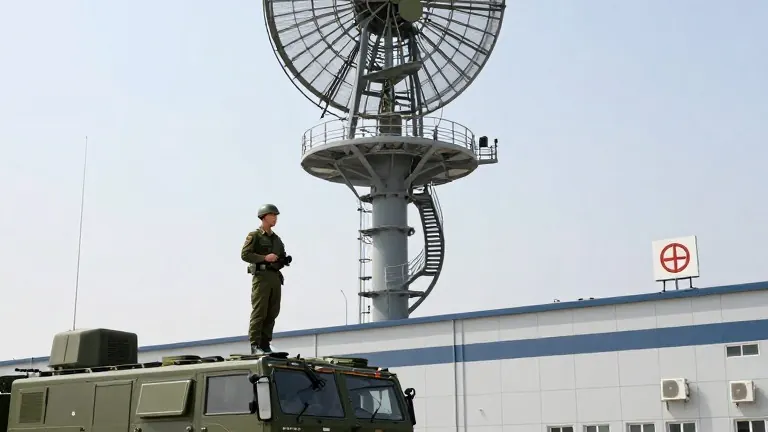
Qatar's defense strategy is focused on achieving autonomy by 2031. The Gulf Cooperation Council (GCC) states have been questioning their security since the beginning of this year. Qatar's policy objective over the next five years is to design and build an independent national strategy based on the capacity to prevent threats, withstand attacks, and maintain continuity. The six pillars of this strategy include air and missile defense, early warning capabilities, protection of critical infrastructure, air and naval power, cybersecurity and electronic warfare, and restructuring security and military policy around multiple security guarantees. The foundation of this strategy requires the development of an integrated air defense system, stronger intelligence and cyber capabilities, and better protection of critical infrastructure.
The events of this year have demonstrated the importance of diversifying alliances and security guarantees for GCC states. Qatar will continue to need intelligence from the US, France, the United Kingdom, and other countries, but it must possess the independent capacity to produce its own national intelligence picture. The objective is to reduce the risks associated with dependence on a single supplier or ally. Such diversification does not mean building an alliance against the US.
Qatar's defense autonomy by 2031 does not mean isolating the country from its partners or dispensing with existing alliances. Rather, it means developing national capabilities that can ensure the protection of the state and its vital interests under all circumstances. This strategic objective requires the development of an integrated air defense system, stronger intelligence and cyber capabilities, and better protection of critical infrastructure.
The events of this year have demonstrated to all GCC states the importance of diversifying their alliances and security guarantees rather than relying on a single external power, particularly the US. That power could become involved in future international crises, decide for one reason or another to limit its direct involvement in regional crises, or even reduce its military presence.
The foundation of this strategy requires the development of an integrated air defense system, stronger intelligence and cyber capabilities, and better protection of critical infrastructure. It also requires improving the effectiveness of Qatar’s air and naval forces to ensure resilience and allow state institutions to continue functioning during a crisis.
Source: Al Jazeera